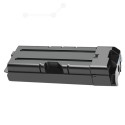
Compatible Toner Cartridges for Office Printers
When an office printer starts burning through toner faster than expected, the question is usually the same: should you keep paying original manufacturer prices, or is there a sensible alternative? For many businesses, compatible toner cartridges for office printers offer a practical way to reduce running costs while keeping everyday printing reliable.
That said, not all compatible cartridges are equal. Some perform well and give clear, consistent output. Others cause avoidable headaches - streaks on the page, error messages, poor page yield, or wasted time trying to work out why the printer suddenly refuses to cooperate. The difference usually comes down to product quality, printer compatibility, and buying from a supplier that knows the machines as well as the cartridges.
What compatible toner cartridges actually are
A compatible toner cartridge is a new cartridge made by a third-party manufacturer rather than the original printer brand. It is designed to work with specific printer models in much the same way as an original cartridge, but usually at a lower price.
This is different from a refilled or remanufactured cartridge. A refilled cartridge uses an original empty cartridge that has been cleaned and replenished with toner. A remanufactured unit has usually been refilled and had worn parts replaced. A compatible cartridge, by contrast, is newly produced to fit the printer model in question.
For office buyers, that distinction matters. If your priority is straightforward cost control with predictable ordering, compatible cartridges can be a sensible option. If sustainability is the main driver, remanufactured products may also be worth considering. It depends on what matters most to your business - lowest purchase cost, environmental preference, print quality, or a balance of all three.
Why businesses choose compatible toner cartridges for office printers
The most obvious reason is cost. In many offices, toner is not an occasional purchase. It is a regular operating expense, especially where teams print invoices, reports, delivery notes, forms, labels, or customer documents every day. Shaving a meaningful amount off each cartridge can make a noticeable difference over the course of a year.
There is also a practical advantage in having more than one option. Some businesses want to standardise on original cartridges and keep things simple. Others are happy to use compatible supplies in day-to-day mono printers while reserving original toner for customer-facing colour documents. That kind of mixed approach is common because it reflects how offices actually print.
Compatible cartridges also appeal to buyers who want value without turning the purchasing process into a gamble. If the cartridge is well made and correctly matched to the printer, most routine office printing does not need to cost a premium.
Where compatibility problems usually come from
When people say a compatible cartridge "didn't work", the cartridge itself is only part of the story. In many cases, the issue is one of four things: the wrong model was ordered, the cartridge came from an inconsistent manufacturer, the printer has a firmware issue, or the machine already had an underlying fault.
Office printers are often bought in batches, and very similar model numbers can take completely different consumables. It only takes one incorrect digit to create a problem. That is especially common in busy workplaces where ordering is handed between several members of staff.
Firmware can also complicate things. Some printer manufacturers release updates that affect cartridge recognition. That does not mean compatible products are inherently unreliable, but it does mean buyers should be cautious about assuming every cartridge will behave the same across every machine and software version.
Then there is the printer itself. A worn drum unit, damaged fuser, dirty transfer belt, or sensor fault can produce marks and misfeeds that get blamed on the toner. If you are replacing cartridges and still seeing poor output, the consumable may not be the real cause.
How to judge quality before you buy
Price matters, but it should not be the only filter. The cheapest cartridge on paper is poor value if it produces low page yield, faded text, leaks toner into the machine, or causes enough disruption that staff lose time sorting it out.
A better test is to look at the full picture: does the cartridge match the exact printer model, is the expected page yield clear, is there a guarantee, and is the supplier able to help if the cartridge is rejected by the machine or output quality is not right? Those points tend to tell you more than a headline price ever will.
For office use, consistency is often more important than chasing the absolute lowest cost. One good compatible cartridge is helpful. A reliable supply of the same cartridge, month after month, is what actually supports day-to-day business printing.
When compatible toner is a good fit
For many monochrome office printers, compatible toner is a very sensible choice. If the machine is used for internal paperwork, routine admin, order processing, warehouse documents, school materials, or standard office correspondence, a quality compatible cartridge can deliver exactly what is needed at a lower cost.
It can also work well for businesses with several printers across different departments. In those environments, the goal is usually dependable output and manageable spend rather than perfect brand uniformity.
Compatible toner can be especially useful for small businesses and growing offices that need to keep a close eye on overheads. Printing is essential, but few firms want to overspend on consumables if a tested alternative is available.
When original cartridges may still be the better option
There are situations where original manufacturer toner remains the safer choice. High-end colour work, client-facing marketing materials, and specialist print environments can be more sensitive to small differences in toner formulation and output.
Some printers are also more selective than others. Certain newer machines, particularly those with aggressive firmware controls, may be less accommodating. If a specific printer model has a known history of rejecting alternatives, it may be more efficient to use originals rather than lose time troubleshooting.
Warranty concerns can also influence the decision, although this is often less straightforward than buyers assume. If a printer is under warranty and heavily relied upon, some businesses prefer to avoid any grey areas and stick with original consumables. Others are comfortable using compatible toner once they have discussed the options with a knowledgeable supplier.
The value of buying from a specialist supplier
Office buyers rarely just need a box with the right label on it. They need confidence that the cartridge will fit, arrive on time, and perform properly. If it does not, they need someone who can help quickly.
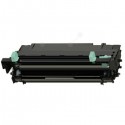
That is where a specialist supplier earns its keep. Practical advice on matching cartridge numbers, understanding printer messages, checking whether a separate drum unit is needed, and spotting when the machine itself may need attention can save far more than the price difference between cartridges.
For local businesses, there is an extra advantage in dealing with a supplier that understands urgent print requirements and the cost of downtime. If a workgroup printer fails on a busy day, the problem is not abstract. Staff are waiting, documents are delayed, and someone needs a workable answer. A company such as Cartridge Right is useful in that setting because the support goes beyond simply selling toner.
A simple approach to choosing the right cartridge
If you are considering compatible toner for your office printers, start with the printer model and cartridge code rather than the brand name alone. Check whether the machine uses a separate drum, whether firmware updates have been applied recently, and what type of documents you print most often.
After that, weigh the cartridge against the job. For standard black text printing, a good compatible cartridge is often enough. For presentation material, branded colour output, or high-stakes print runs, it may be worth comparing results with original toner before standardising.
It is also sensible to think in terms of support, not just stock. A dependable supplier should be able to tell you what tends to work well, what can be hit and miss, and what to do if the printer does not recognise the cartridge first time.
The best buying decision is usually the one that keeps your office printing without fuss. Compatible toner can absolutely do that, provided the cartridge is well made, correctly matched, and backed by someone who knows printers as well as products. If you treat it as a straightforward cost-saving exercise and ignore quality, problems can creep in. If you treat it as part of a wider print-support decision, it becomes much easier to get the balance right.
A lower cartridge price is useful, but the real saving comes from fewer interruptions, clearer print, and less time spent fixing avoidable mistakes.